All In for National Reconciliation Week 2026
National Reconciliation Week calls on the entire visual arts sector to commit to advancing First Nations self-determination and story sovereignty.
National Reconciliation Week calls on the entire visual arts sector to commit to advancing First Nations self-determination and story sovereignty.
NAVA’s Innovate Reconciliation Action Plan and First Nations Policy commit the organisation to supporting First Nations self-determination, cultural authority and meaningful participation across all aspects of NAVA’s work. This includes advocacy, professional development, Membership services, the Code of Practice for Visual Arts, Craft and Design, and sector education.
Through this work, NAVA has the privilege of collaborating with First Nations colleagues to support culture bearers, artists, organisations, communities, and knowledges across all of NAVA’s advocacy, learning and Membership services.
During NAVA’s recent National Cultural Policy First Nations discussion, facilitated by Georgia Mokak, First Nations Outreach Coordinator, and Luke Briscoe, Development Officer, participants called for governments to move beyond symbolic recognition of First Nations arts and culture and commit to structural change. This means funding that reaches artists, properly resourced Indigenous Cultural and Intellectual Property (ICIP) legislation, culturally safer institutions and greater accountability across the sector. Participants also raised broader economic supports, including reparations, as necessary foundations for a sustainable First Nations arts sector.
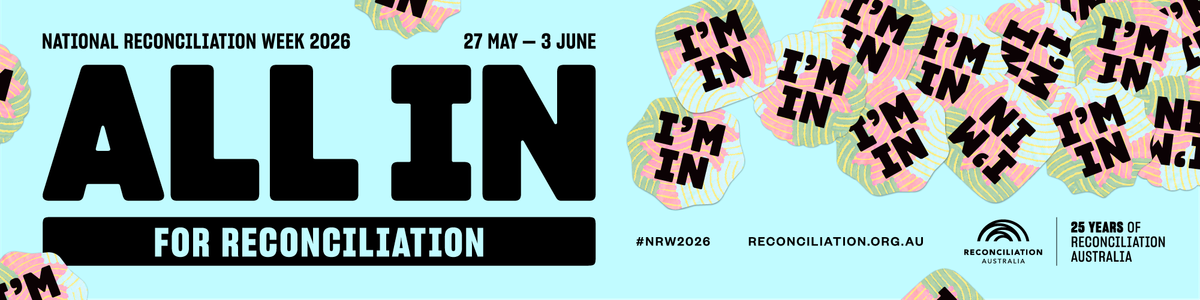
This year’s theme is an important reminder of the whole-of-sector approach necessary to promote ethical and self-reflective working relationships with First Nations artists, organisations and individuals. Written by Stephanie Parkin, Quandamooka woman of Minjerribah (North Stradbroke Island) and Co-Founder and Principal Solicitor of Parallax Legal, the First Nations section of the NAVA Code of Practice offers good practice recommendations for conducting business with First Nations artists and communities.
Central to the Code is the principle that First Nations communities have the right to self-determination. This means the right to set their own cultural protocols, avoid discrimination, maintain connection to culture, land and waters, achieve economic independence and have a say in decisions that affect them.
Arts workers are encouraged to consult with First Nations people, experts or cultural authorities at every stage of a project, and to ensure those consultations are properly paid. Taking the time to build genuine relationships and letting communities lead the process is essential. The Code makes clear that its guidelines do not replace the need to build direct relationships with First Nations people.
NAVA also recently released a new Educator Guide through the Teacher Toolkit: ‘Introduction to Committing to Meaningful First Nations Projects in Education Settings’. Written and illustrated by Dr Emma Hicks in consultation with Dr Christine Evans and edited by Jo Higgins, the guide supports educators working in early childhood, primary (K-6) and secondary (7-12) education to develop meaningful and respectful approaches to working with Aboriginal and Torres Strait Islander artists and cultural material in visual art making activities and programs.
Educators can access the guide and other Teacher Toolkit resources via NAVA's website: nava.net.au/learning/secondary-schools/teacher-toolkit
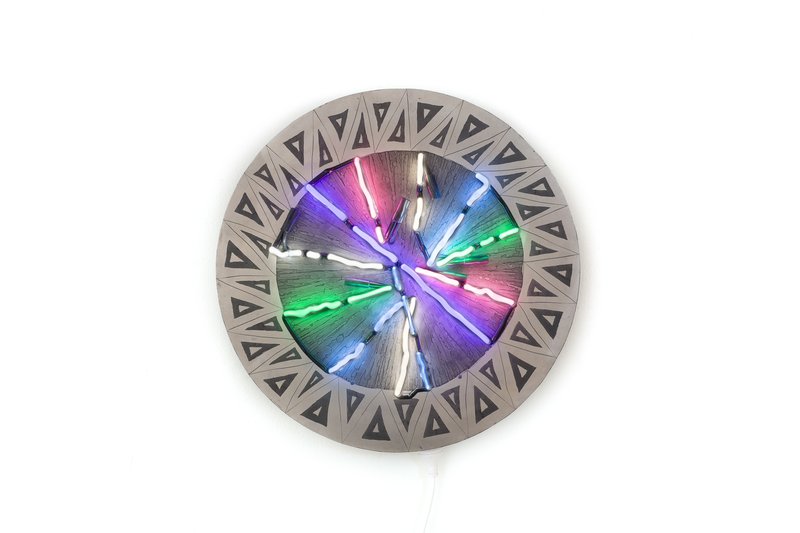
Brett Nannup, Plate 5, 2025, etched mild steel plate, neon glass. Photo by Renee Doropoulos.
ID: A steel plate with etched triangle patterns on the rim and colourful neon glass patterns on the well.
The National Association for the Visual Arts (NAVA) is a national organisation with staff who work across many First Nations Lands. The NAVA Board and artists whom we represent are based across hundreds of sovereign nations and unceded lands throughout the continent that has become colonially known as Australia.
NAVA acknowledges the Traditional Owners, Custodians, and knowledge-holders of the unceded lands on which we live, learn, and work.
We acknowledge Aboriginal and Torres Strait Islander peoples as the first artists and storytellers on this continent and pay respect to First Nations communities’ Ancestors and Elders. Sovereignty was never ceded. Always was, always will be Aboriginal land.

© Copyright 2026. All Rights Reserved.